

These soft gingerbread cookies combine rich molasses with cinnamon, ginger, cloves and nutmeg. They hold their shape while baking but remain pleasantly soft in the centre.
The chilled dough rolls easily and works with gingerbread people, stars, trees, snowflakes and other Christmas cutters.
Decorate the cooled biscuits with simple icing, sprinkles or small sweets for holiday parties, edible gifts and Christmas cookie trays.
Why You’ll Love These Gingerbread Cookies
- Soft centres with lightly crisp edges.
- Rich molasses flavour.
- Warm Christmas spices.
- Dough holds detailed shapes.
- Suitable for decorating.
- Can be prepared ahead.
- Freezer-friendly.
- Perfect for edible gifts.
- Fun for family baking.
- Attractive addition to Christmas cookie boxes.
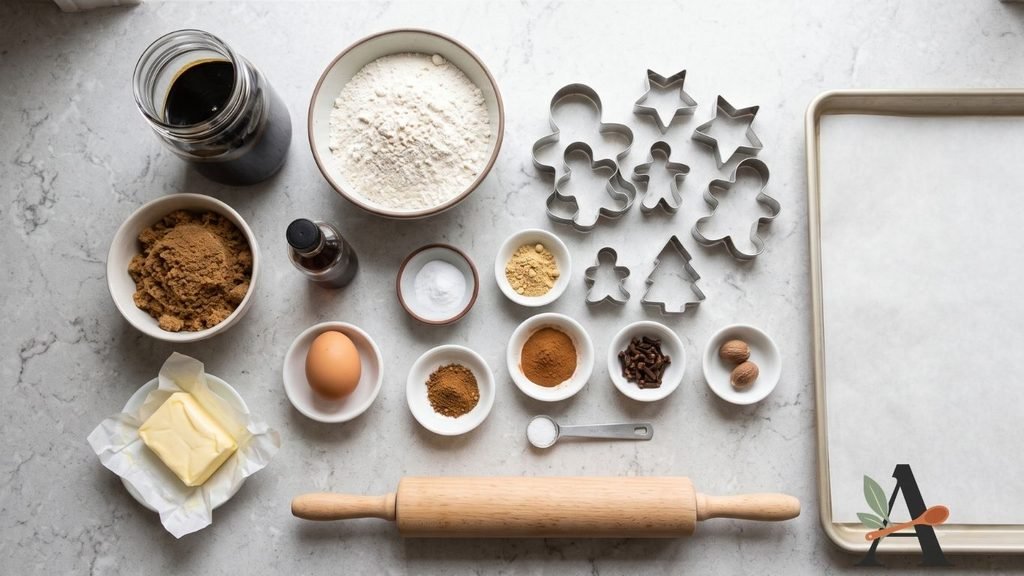
Ingredients You’ll Need
For the Gingerbread Cookies
- ¾ cup unsalted butter, softened.
- ¾ cup packed dark brown sugar.
- ⅔ cup unsulphured molasses.
- 1 large egg, at room temperature.
- 1 teaspoon pure vanilla extract.
- 3½ cups all-purpose flour.
- 1 teaspoon baking soda.
- 1 tablespoon ground ginger.
- 1 tablespoon ground cinnamon.
- ¼ teaspoon ground cloves.
- ¼ teaspoon ground nutmeg.
- ½ teaspoon salt.
For the Easy Icing
- 2 cups icing sugar, sifted.
- 2–3 tablespoons milk.
- 1 tablespoon light corn syrup, optional for shine.
- ½ teaspoon vanilla extract.
- Pinch of salt.
- Gel food colouring and sprinkles, optional.
Ingredient Notes
Butter: Softened butter blends smoothly with the sugar. It should feel pliable but not melted or greasy.
Brown sugar: Dark brown sugar provides moisture and a deep molasses flavour.
Molasses: Use unsulphured regular or dark molasses. Avoid blackstrap molasses, which can taste excessively bitter in cookies.
Flour: Measure flour accurately. Too much produces dry, crumbly biscuits.
Ginger and cinnamon: These provide the dominant traditional gingerbread flavour.
Cloves and nutmeg: Small quantities add depth without overpowering the dough.
Corn syrup: Optional corn syrup gives the icing a smoother, slightly glossy finish.
What Type of Molasses Should You Use?
Use regular unsulphured molasses or dark molasses.
Regular molasses produces a milder cookie, while dark molasses creates a richer colour and stronger flavour.
Do not use blackstrap molasses unless you specifically prefer its intense, bitter flavour.
How to Make Soft Gingerbread Cookies
Step 1: Combine the Dry Ingredients
In a medium bowl, whisk together:
- Flour.
- Baking soda.
- Ginger.
- Cinnamon.
- Cloves.
- Nutmeg.
- Salt.
Whisk thoroughly so the spices and baking soda are distributed evenly.
Step 2: Cream the Butter and Sugar
Place the softened butter and brown sugar in a large mixing bowl.
Beat with an electric mixer on medium speed for approximately 2–3 minutes, until smooth and slightly lighter.
Scrape down the sides and bottom of the bowl.
Step 3: Add the Wet Ingredients
Add the molasses, egg and vanilla.
Beat on medium-low speed until completely combined.
The mixture may look slightly separated initially but should become smooth after mixing.
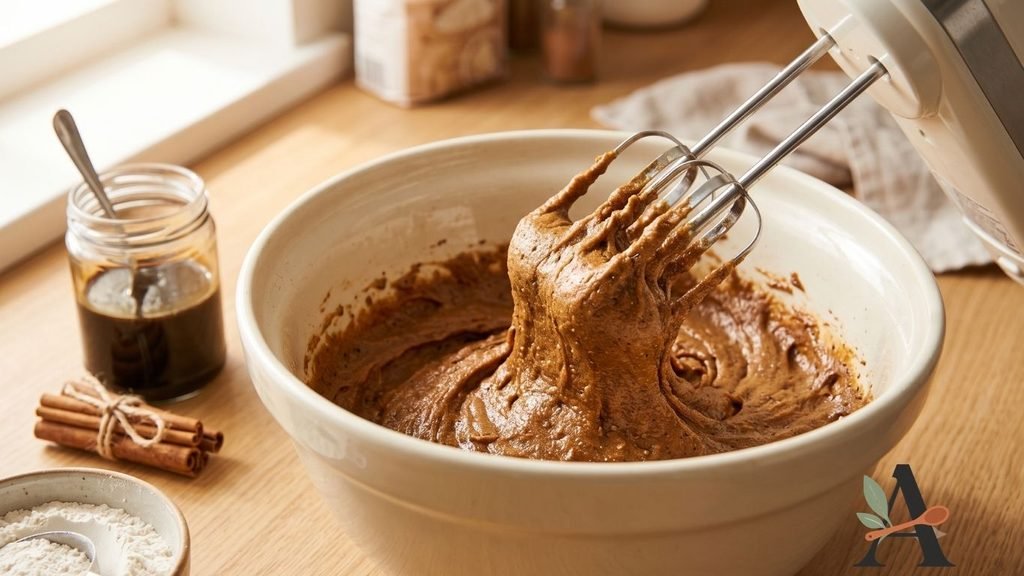
Step 4: Add the Dry Ingredients
Add the dry ingredients gradually.
Mix on low speed until a thick dough forms.
Stop mixing as soon as no visible flour remains.
Overmixing can make the cookies tough.
Step 5: Divide and Chill the Dough
Divide the dough into two equal portions.
Flatten each portion into a disc approximately one inch thick.
Wrap them tightly and refrigerate for at least 2 hours, preferably overnight.
Chilling makes the dough easier to roll and reduces spreading.
Step 6: Prepare the Oven and Trays
Preheat the oven to 350°F.
Line large baking trays with parchment paper or silicone baking mats.
Work with one disc of dough at a time and keep the other refrigerated.
Step 7: Roll the Dough
Lightly flour the work surface and rolling pin.
Roll the dough to approximately ¼ inch thick for soft cookies.
For crisper gingerbread, roll it slightly thinner.
Move the dough occasionally while rolling to ensure it does not stick.
Step 8: Cut the Shapes
Dip the cookie cutters lightly in flour.
Cut the dough into gingerbread people, stars, trees or other shapes.
Transfer them carefully to the prepared baking tray, leaving approximately two inches between them.
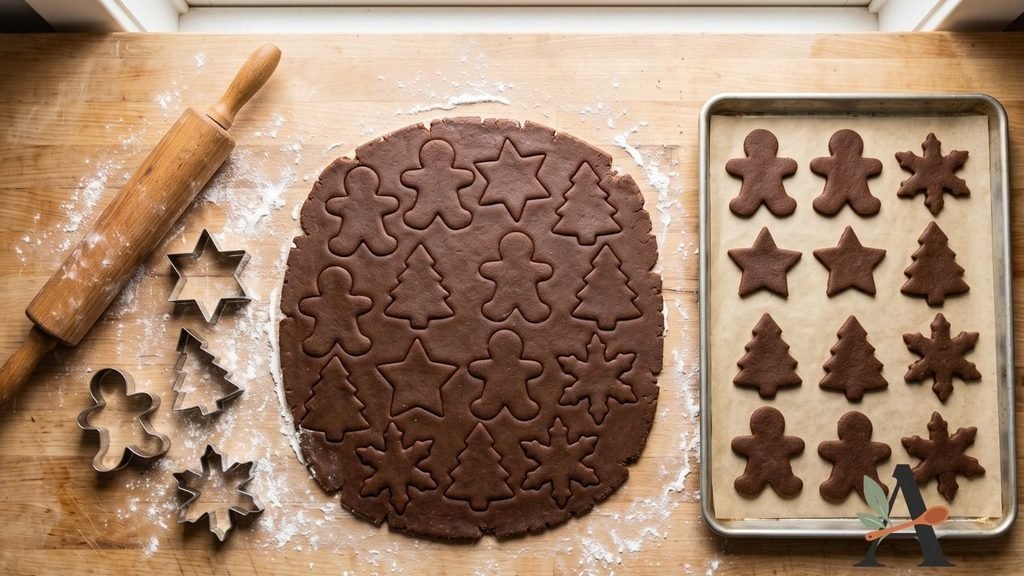
Step 9: Chill the Cut Cookies
Place the baking tray of cut cookies in the refrigerator for approximately 10–15 minutes.
This additional chill helps detailed shapes remain defined.
Step 10: Bake the Cookies
Bake at 350°F for approximately 8–11 minutes.
Small cookies may finish sooner, while large shapes require more time.
The cookies are ready when:
- The edges look set.
- The centres no longer appear wet.
- The surface looks slightly puffed.
- The cookies remain somewhat soft when gently touched.
Avoid waiting for the edges to become dark.
Step 11: Cool Completely
Allow the cookies to cool on the baking tray for five minutes.
Transfer them carefully to a wire rack.
Cool completely before decorating.
How to Make Easy Gingerbread Icing
Step 1: Combine the Ingredients
Place the sifted icing sugar in a medium bowl.
Add two tablespoons of milk, the optional corn syrup, vanilla and salt.
Whisk until smooth.
Step 2: Adjust the Consistency
For outlining, the icing should hold its shape but flow through a small piping opening.
- If too thick, add milk a few drops at a time.
- If too thin, add more sifted icing sugar.
Step 3: Colour the Icing
Divide the icing between small bowls.
Add gel food colouring in tiny quantities.
Gel colour is preferable to liquid colour because it changes the consistency less.
Step 4: Decorate the Cookies
Transfer the icing to piping bags fitted with small round tips or use disposable bags with tiny corners removed.
Decorate the cookies with:
- Faces and buttons.
- White outlines.
- Snowflake patterns.
- Christmas jumpers.
- Sprinkles.
- Small sweets.
Allow the icing to dry completely before stacking or packaging.
Tips for Soft Gingerbread Cookies
Measure the Flour Correctly
Spoon flour into the measuring cup and level it rather than packing it firmly.
Use Softened, Not Melted, Butter
Melted butter produces a softer dough that spreads more easily.
Chill the Dough Thoroughly
Warm gingerbread dough is sticky and does not retain shapes as well.
Roll to an Even Thickness
Uneven biscuits bake at different rates.
Chill the Cut Shapes
A short final chill produces cleaner edges.
Group Similar Sizes Together
Bake small cookies separately from large ones.
Avoid Overbaking
The cookies continue firming as they cool.
Cool Before Decorating
Icing melts or slides from warm cookies.
Why Did My Gingerbread Cookies Spread?
Common causes include:
- Butter that was too warm.
- Insufficient chilling.
- Too little flour.
- Placing dough on a warm baking tray.
- Overgreasing the tray.
- Skipping the chill after cutting.
- An inaccurate oven temperature.
Use cool baking trays and keep unused dough refrigerated.
Why Is My Gingerbread Dough Crumbly?
The dough may contain too much flour or the butter may not have been soft enough.
Mix it gently with clean hands. If it will not hold together, add milk one teaspoon at a time.
Avoid adding too much liquid, as this can cause spreading.
Gingerbread Cookie Variations
Chocolate Gingerbread Cookies
Replace a small portion of the flour with unsweetened cocoa powder using a tested formula.
Orange Gingerbread Cookies
Add finely grated orange zest to the dough or icing.
Gingerbread Sandwich Cookies
Sandwich two cookies with vanilla buttercream or cream cheese frosting.
Gingerbread Snowflakes
Use snowflake cutters and decorate with white icing and sparkling sugar.
Mini Gingerbread Cookies
Use small cutters and begin checking several minutes earlier.
Gingerbread Ornaments
Create a hole near the top before baking. Bake slightly longer for firm ornaments and do not eat cookies used as decorations for an extended period.
Gingerbread Cookie Bars
Press similar dough into a square pan and bake as bars using separately tested timings.
How to Make Cookies the Same Thickness
Use rolling-pin guide rings or place two wooden guides of equal thickness beside the dough.
Consistent thickness helps the cookies:
- Bake evenly.
- Remain similarly soft.
- Stack neatly.
- Look professional in gift boxes.
- Decorate more easily.
Can You Make Gingerbread Dough Ahead?
Yes.
Wrap the dough tightly and refrigerate it for up to three days.
Allow very firm dough to rest at room temperature for approximately 10–15 minutes before rolling.
Do not allow it to become warm and greasy.
How to Store Gingerbread Cookies
Allow the biscuits and icing to dry completely.
Store them in an airtight container at room temperature for up to one week.
Place parchment paper between decorated layers.
A small piece of bread inside the container can help keep the cookies soft, but replace it regularly and prevent it from touching the icing.
Can You Freeze Gingerbread Cookies?
Yes.
Freeze the Dough
Wrap the dough discs securely and freeze for up to three months.
Thaw overnight in the refrigerator before rolling.
Freeze Baked Cookies
Freeze undecorated cookies in an airtight container for up to three months.
Thaw them at room temperature before decorating.
Decorated cookies may also be frozen, but colours and icing texture can change.
Frequently Asked Questions
Can I skip chilling the dough?
No. Chilling makes the sticky dough manageable and helps the cut-outs hold their shape.
How thick should gingerbread cookies be?
Approximately ¼ inch produces soft cookies with gently crisp edges.
Why are my cookies hard?
They may have been rolled too thin, baked too long or made with excessive flour.
Can I use honey instead of molasses?
Honey does not provide the same colour, flavour or moisture. It is not a direct substitute.
Can I use blackstrap molasses?
It is not recommended because its flavour can be very bitter and intense.
How long does the icing take to dry?
Thin decorations may dry within several hours. Thicker icing may need to remain uncovered overnight.
Can I use royal icing?
Yes. Royal icing dries harder and is better for detailed decorations and stacked gift boxes.
How do I stop the dough sticking?
Keep it chilled and use a light dusting of flour on the work surface and rolling pin.
More Christmas Dessert Recipes
Add internal links to:
- Soft Chocolate Chip Cookies.
- Fudgy Chocolate Brownies.
- Homemade Cinnamon Rolls With Cream Cheese Frosting.
- Classic Pecan Pie.
- Dutch Apple Pie.
- No-Bake Pumpkin Cheesecake.
- Christmas Sugar Cookies.

Soft Gingerbread Cookies Recipe Card
Preparation time: 30 minutes
Chilling time: At least 2 hours
Cooking time: 8–11 minutes per tray
Decorating time: Approximately 30 minutes
Yield: Approximately 24 cookies
Course: Dessert
Cuisine: American
Method: Baking
Ingredients
Gingerbread Cookies
- ¾ cup softened unsalted butter.
- ¾ cup packed dark brown sugar.
- ⅔ cup unsulphured molasses.
- 1 large egg.
- 1 teaspoon vanilla extract.
- 3½ cups all-purpose flour.
- 1 teaspoon baking soda.
- 1 tablespoon ground ginger.
- 1 tablespoon ground cinnamon.
- ¼ teaspoon ground cloves.
- ¼ teaspoon ground nutmeg.
- ½ teaspoon salt.
Easy Icing
- 2 cups sifted icing sugar.
- 2–3 tablespoons milk.
- 1 tablespoon light corn syrup, optional.
- ½ teaspoon vanilla.
- Pinch of salt.
- Gel food colouring and sprinkles, optional.
Instructions
- Whisk the flour, baking soda, spices and salt.
- Beat the butter and brown sugar for 2–3 minutes.
- Add the molasses, egg and vanilla.
- Mix until combined.
- Gradually add the dry ingredients.
- Mix until a thick dough forms.
- Divide the dough into two discs.
- Wrap and refrigerate for at least two hours.
- Preheat the oven to 350°F.
- Line baking trays with parchment.
- Roll one dough disc approximately ¼ inch thick.
- Cut the desired shapes.
- Transfer them to the baking trays.
- Refrigerate the cut cookies for 10–15 minutes.
- Bake for 8–11 minutes.
- Cool on the tray for five minutes.
- Transfer to a wire rack.
- Whisk together the icing ingredients.
- Adjust the consistency.
- Decorate the completely cooled cookies.
- Allow the icing to dry before storing.
Recipe Notes
- Use regular or dark unsulphured molasses.
- Chill the dough thoroughly.
- Roll all cookies to an even thickness.
- Bake similar-sized shapes together.
- Avoid overbaking if you want soft centres.
- Test the recipe before confirming the exact baking time and yield