

These soft gingerbread cookies have tender centres, lightly crisp edges and a rich combination of molasses, ginger and warming spices. The chilled dough rolls easily and retains its shape in the oven.
Cut the dough into traditional gingerbread people, Christmas trees, stars or snowflakes. Once cool, decorate the cookies with simple white icing, colourful sweets or festive sprinkles.
Prepare the dough ahead for Christmas baking, decorating parties, cookie exchanges and homemade holiday gifts.
Why You’ll Love These Gingerbread Cookies
- Soft, tender centres.
- Warm Christmas spices.
- Rich molasses flavour.
- Holds detailed cut-out shapes.
- Easy to roll and cut.
- Suitable for decorating.
- Can be prepared ahead.
- Freezer-friendly.
- Ideal for Christmas parties.
- Attractive in holiday cookie boxes.
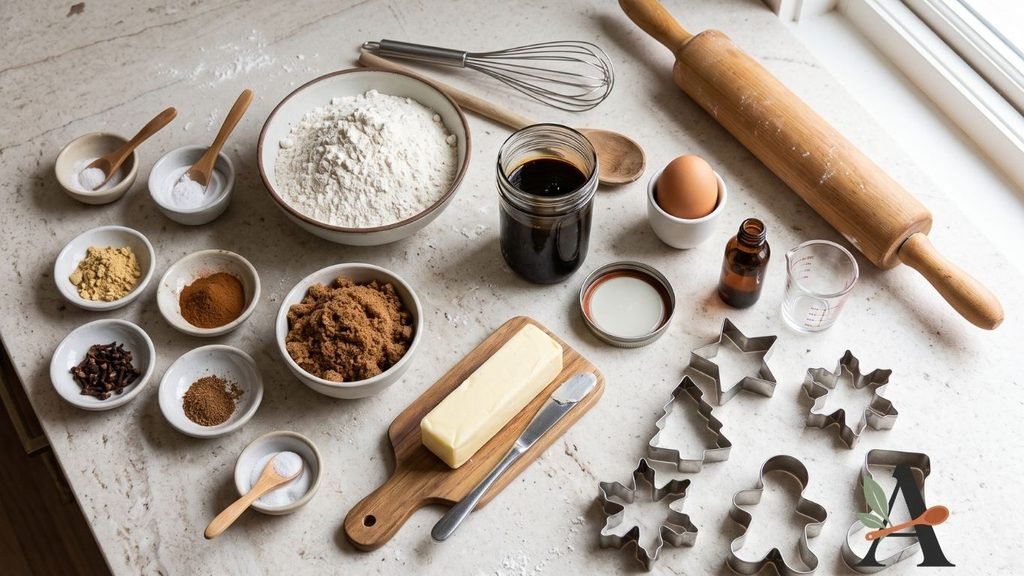
Ingredients You’ll Need
For the Gingerbread Cookies
- ¾ cup unsalted butter, softened.
- ¾ cup packed dark brown sugar.
- ⅔ cup unsulphured molasses.
- 1 large egg, at room temperature.
- 1 teaspoon pure vanilla extract.
- 3½ cups all-purpose flour.
- 1 teaspoon baking soda.
- ½ teaspoon salt.
- 1 tablespoon ground ginger.
- 2 teaspoons ground cinnamon.
- ¼ teaspoon ground cloves.
- ¼ teaspoon ground nutmeg.
- ¼ teaspoon ground allspice, optional.
For the Simple Decorating Icing
- 1½ cups powdered sugar, sifted.
- 2–3 tablespoons milk or water.
- 1 tablespoon light corn syrup, optional.
- ½ teaspoon vanilla extract.
- Gel food colouring, optional.
- Small sweets and sprinkles, optional.
Ingredient Notes
Butter: Use properly softened butter. Melted or greasy butter can make the cookies spread.
Brown sugar: Adds moisture, caramel flavour and softness.
Molasses: Use unsulphured regular or dark molasses. Avoid blackstrap molasses unless the recipe has been specifically tested with it, as its flavour can be strong and bitter.
Egg: Provides structure and helps bind the dough.
Flour: Measure carefully. Too much flour makes the cookies dry and difficult to roll.
Ginger: Provides the defining warmth and gentle heat.
Cinnamon: Adds sweetness and depth to the spice mixture.
Cloves: Use a small amount because cloves can quickly overpower the other flavours.
Nutmeg: Adds warmth and complexity.
Baking soda: Provides controlled lift and encourages slight browning.
What Type of Molasses Should You Use?
Unsulphured regular or dark molasses is best for gingerbread cookies.
Regular molasses creates a milder, sweeter flavour. Dark molasses produces deeper colour and a more pronounced taste.
Blackstrap molasses is significantly less sweet and more bitter. It should not be substituted directly unless the recipe has been tested with it.
Do not use pancake syrup, maple syrup or treacle as a direct replacement because the sweetness, moisture and flavour will differ.
How to Make Soft Gingerbread Cookies
Step 1: Combine the Dry Ingredients
Place the flour, baking soda, salt, ginger, cinnamon, cloves, nutmeg and optional allspice in a large bowl.
Whisk thoroughly to distribute the spices and break up any lumps.
Set the bowl aside.
Step 2: Cream the Butter and Sugar
Place the softened butter and brown sugar in a large mixing bowl.
Beat with an electric mixer on medium speed for approximately 2–3 minutes, until smooth and creamy.
Scrape the sides and bottom of the bowl.
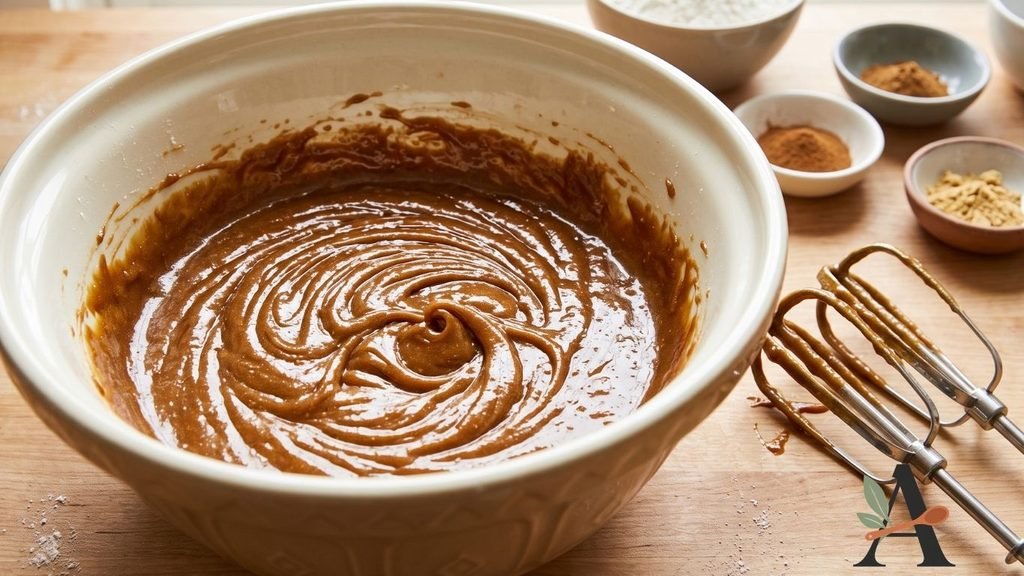
Step 3: Add the Molasses
Pour in the molasses.
Beat on low speed until evenly incorporated.
Scrape the bowl again because the molasses may settle near the bottom.
Step 4: Add the Egg and Vanilla
Add the egg and vanilla extract.
Beat until the mixture is smooth and evenly combined.
Step 5: Add the Dry Ingredients
Add the flour mixture to the wet ingredients in several additions.
Mix on low speed after each addition.
Stop mixing when a thick, slightly sticky dough forms and no dry flour remains.
Avoid overmixing.
Step 6: Divide and Flatten the Dough
Divide the dough into two equal portions.
Shape each portion into a flat disc approximately one inch thick.
Wrap the discs tightly in reusable food wrap or parchment paper.
Step 7: Chill the Dough
Refrigerate the dough for at least 2 hours, or preferably overnight.
Proper chilling firms the butter, hydrates the flour and makes the sticky dough easier to roll.
Step 8: Prepare the Oven and Pans
Preheat the oven to 350°F.
Line light-coloured baking sheets with parchment paper or silicone baking mats.
Step 9: Roll the Dough
Place one chilled dough disc on a lightly floured work surface.
Dust the rolling pin and top of the dough with a small amount of flour.
Roll it evenly to approximately ¼ inch thick for soft cookies.
Turn the dough occasionally to prevent sticking.
Step 10: Cut Out the Shapes
Dip the edges of the cookie cutters lightly in flour.
Cut the shapes closely together to minimise scraps.
Transfer them carefully to the prepared baking sheet, leaving approximately one inch between each cookie.

Step 11: Chill the Cut-Out Cookies
Place the baking sheet in the refrigerator for approximately 10–15 minutes.
This brief second chill helps the cookies retain clean edges and detailed shapes.
Step 12: Bake the Gingerbread Cookies
Bake one tray at a time for approximately 8–10 minutes.
The exact time depends on the size and thickness of the shapes.
The cookies are ready when:
- The surfaces look dry and set.
- The edges feel slightly firm.
- The centres remain soft.
- The shapes no longer appear wet or shiny.
Bake for slightly longer if you prefer crisper cookies.
Step 13: Cool Completely
Leave the cookies on the baking sheet for approximately five minutes.
Transfer them carefully to a wire rack.
Allow them to cool completely before decorating.
How to Make Simple Gingerbread Icing
Step 1: Mix the Icing
Place the sifted powdered sugar in a medium bowl.
Add two tablespoons of milk or water, the optional corn syrup and vanilla extract.
Whisk until smooth.
Step 2: Adjust the Consistency
Add more liquid a few drops at a time until the icing can be piped smoothly while retaining its shape.
If it becomes too thin, add additional sifted powdered sugar.
Step 3: Add Colour
Leave the icing white for a traditional appearance or divide it among small bowls.
Tint each portion with gel food colouring.
Step 4: Decorate the Cookies
Transfer the icing to piping bags fitted with small round tips.
Pipe faces, buttons, cuffs, outlines and other details.
Add small sweets or sprinkles while the icing remains wet.
Step 5: Let the Decorations Set
Arrange the decorated cookies in a single layer.
Allow the icing to dry completely before stacking or packaging them.
Tips for Soft Gingerbread Cookies
Measure the Flour Accurately
Spoon the flour into the measuring cup and level the top, or use a kitchen scale.
Use the Correct Molasses
Regular or dark unsulphured molasses gives the cookies their intended sweetness and flavour.
Chill the Dough Thoroughly
Warm gingerbread dough is sticky and spreads more readily.
Roll the Dough Evenly
Cookies of equal thickness finish baking at approximately the same time.
Keep Similar Shapes Together
Small stars may bake more quickly than large gingerbread people. Place similar sizes on the same tray.
Use Cool Baking Sheets
Warm baking sheets can soften the dough before it enters the oven.
Avoid Overbaking
Remove the cookies when the centres remain soft. They continue setting as they cool.
Cool Before Decorating
Warm cookies can melt icing and cause decorations to slide.
How Thick Should Gingerbread Cookies Be?
Roll the dough approximately ¼ inch thick for soft, sturdy gingerbread cookies.
Thinner dough produces crisper biscuits and may bake more quickly.
Thicker dough produces softer cookies but can reduce the definition of detailed cutters.
Use rolling guides or wooden dowels if you have difficulty maintaining an even thickness.
Why Is My Gingerbread Dough Sticky?
Gingerbread dough naturally feels slightly sticky because it contains molasses.
Excessive stickiness may result from:
- Dough that has not chilled long enough.
- Butter that was too warm.
- Too little flour.
- A warm kitchen.
- Incorrect ingredient measurement.
Return the dough to the refrigerator rather than adding a large amount of flour.
Use only enough flour on the work surface to prevent sticking.
Why Did My Gingerbread Cookies Spread?
Common causes include:
- Warm or melted butter.
- Insufficient chilling.
- Too little flour.
- Excessive creaming.
- Warm baking sheets.
- Greased baking pans.
- An inaccurate oven temperature.
Chill the cut shapes until firm before baking the next tray.
Why Are My Gingerbread Cookies Hard?
Hard cookies may result from:
- Rolling the dough too thinly.
- Adding excessive flour.
- Baking for too long.
- Reworking the scraps repeatedly.
- Leaving the cookies uncovered after baking.
For soft cookies, roll the dough ¼ inch thick and remove them when their centres still feel tender.
How to Reroll Gingerbread Dough Scraps
Gather the scraps and press them together gently.
Avoid kneading them repeatedly.
If the dough has become soft, flatten it into a disc and chill it for approximately 15–20 minutes before rolling again.
Use as little additional flour as possible because repeated flouring can make later batches dry.
Gingerbread Cookie Variations
Orange Gingerbread Cookies
Add finely grated orange zest to the dough and use orange juice in the icing.
Chocolate Gingerbread Cookies
Use a separately tested formula containing cocoa powder because it changes the flour and moisture balance.
Lemon-Iced Gingerbread
Replace the milk in the icing with fresh lemon juice for a bright contrast to the spices.
Gingerbread Sandwich Cookies
Join two small cooled cookies with vanilla buttercream or cream cheese frosting.
Sprinkle Gingerbread Cookies
Press festive jimmies into the shapes before baking or add them to wet icing.
Chocolate-Dipped Gingerbread
Dip one side of each cooled cookie into melted white or dark chocolate.
Gingerbread Stars
Cut the dough into stars of several sizes and stack them with icing to create small edible Christmas trees.
Gingerbread Ornaments
Create a hole near the top of each shape before baking. Use decorated ornaments only for display and avoid hanging them where pets or small children can reach them.
Can You Make Gingerbread Dough Ahead?
Yes.
Wrap the dough discs tightly and refrigerate them for up to three days.
Allow very firm dough to soften at room temperature for several minutes before rolling.
The baked undecorated cookies can also be prepared ahead and decorated closer to serving.
How to Store Gingerbread Cookies
Allow the cookies and icing to dry completely.
Store them in an airtight container at room temperature for up to one week.
Separate decorated layers with parchment paper.
A small piece of bread placed inside the container can help preserve softness, but it should not touch the cookies directly.
Can You Freeze Gingerbread Cookies?
Yes.
Freeze the Dough
Wrap each dough disc securely and place it in a freezer-safe container.
Freeze for up to three months.
Thaw overnight in the refrigerator before rolling.
Freeze Baked Cookies
Place completely cooled, undecorated cookies in a rigid freezer-safe container.
Separate the layers with parchment and freeze for up to three months.
Thaw inside the container at room temperature before decorating.
Freeze Decorated Cookies
Fully dried icing may be frozen, but colours can bleed after thawing. Test one decorated cookie before freezing the entire batch.
How to Package Gingerbread Cookies as Gifts
Ensure the cookies and icing are completely dry.
Package them inside:
- Christmas cookie tins.
- Parchment-lined bakery boxes.
- Cellophane treat bags.
- Divided holiday boxes.
- Festive gift baskets.
Place delicate shapes in a rigid container to prevent breakage.
Include an ingredient and allergen label when giving homemade cookies to others.
Frequently Asked Questions
Can I make gingerbread cookies without molasses?
Molasses supplies essential flavour, colour and moisture. A substitute requires a separately tested recipe.
Can I use blackstrap molasses?
Blackstrap molasses is generally too bitter for this recipe. Use regular or dark unsulphured molasses.
Do I have to chill the dough?
Yes. Chilling makes the dough easier to roll and helps the shapes remain defined.
Can I use salted butter?
Yes. Reduce or omit the added salt.
How do I keep gingerbread cookies soft?
Roll the dough ¼ inch thick, avoid overbaking and store the cooled cookies in an airtight container.
Can I decorate the cookies before baking?
You can add heat-safe sweets or sprinkles before baking. Icing should be added after the cookies cool.
Can I use this recipe for a gingerbread house?
The soft texture is not ideal for structural pieces. Use a tested construction gingerbread recipe for houses.
How long does the icing take to dry?
The surface may set within several hours, but overnight drying is recommended before stacking.
How many cookies does the recipe make?
The recipe produces approximately 24–30 medium cookies, depending on the cutters and dough thickness.

Soft Gingerbread Cookies Recipe Card
Preparation time: 30 minutes
Chilling time: At least 2 hours
Cooking time: 8–10 minutes per tray
Decorating time: Approximately 30 minutes
Yield: 24–30 cookies
Course: Dessert
Cuisine: American
Method: Baking
Ingredients
Gingerbread Cookies
- ¾ cup unsalted butter, softened.
- ¾ cup packed dark brown sugar.
- ⅔ cup unsulphured molasses.
- 1 large egg.
- 1 teaspoon vanilla extract.
- 3½ cups all-purpose flour.
- 1 teaspoon baking soda.
- ½ teaspoon salt.
- 1 tablespoon ground ginger.
- 2 teaspoons ground cinnamon.
- ¼ teaspoon ground cloves.
- ¼ teaspoon ground nutmeg.
- ¼ teaspoon ground allspice, optional.
Simple Icing
- 1½ cups powdered sugar, sifted.
- 2–3 tablespoons milk or water.
- 1 tablespoon light corn syrup, optional.
- ½ teaspoon vanilla extract.
- Gel food colouring, optional.
- Small sweets and sprinkles, optional.
Instructions
- Whisk together the flour, baking soda, salt and spices.
- Beat the softened butter and brown sugar for 2–3 minutes.
- Mix in the molasses.
- Add the egg and vanilla.
- Gradually add the dry ingredients.
- Mix until a thick dough forms.
- Divide the dough into two discs.
- Wrap and refrigerate for at least two hours.
- Preheat the oven to 350°F.
- Line baking sheets with parchment paper.
- Roll one dough disc approximately ¼ inch thick.
- Cut out the desired shapes.
- Transfer them to the prepared baking sheets.
- Chill the shapes for 10–15 minutes.
- Bake for 8–10 minutes.
- Remove when the edges are set and the centres remain soft.
- Cool on the pan for five minutes.
- Transfer to a wire rack.
- Mix the icing ingredients until smooth.
- Adjust the consistency as required.
- Decorate the completely cooled cookies.
- Allow the icing to dry before stacking.
Recipe Notes
- Use regular or dark unsulphured molasses.
- Measure the flour accurately.
- Chill the dough thoroughly.
- Roll every batch to an even thickness.
- Bake similar-sized shapes together.
- Avoid placing dough on warm baking sheets.
- Remove the cookies while their centres remain tender.
- Test the complete recipe before confirming exact baking time and yield.