
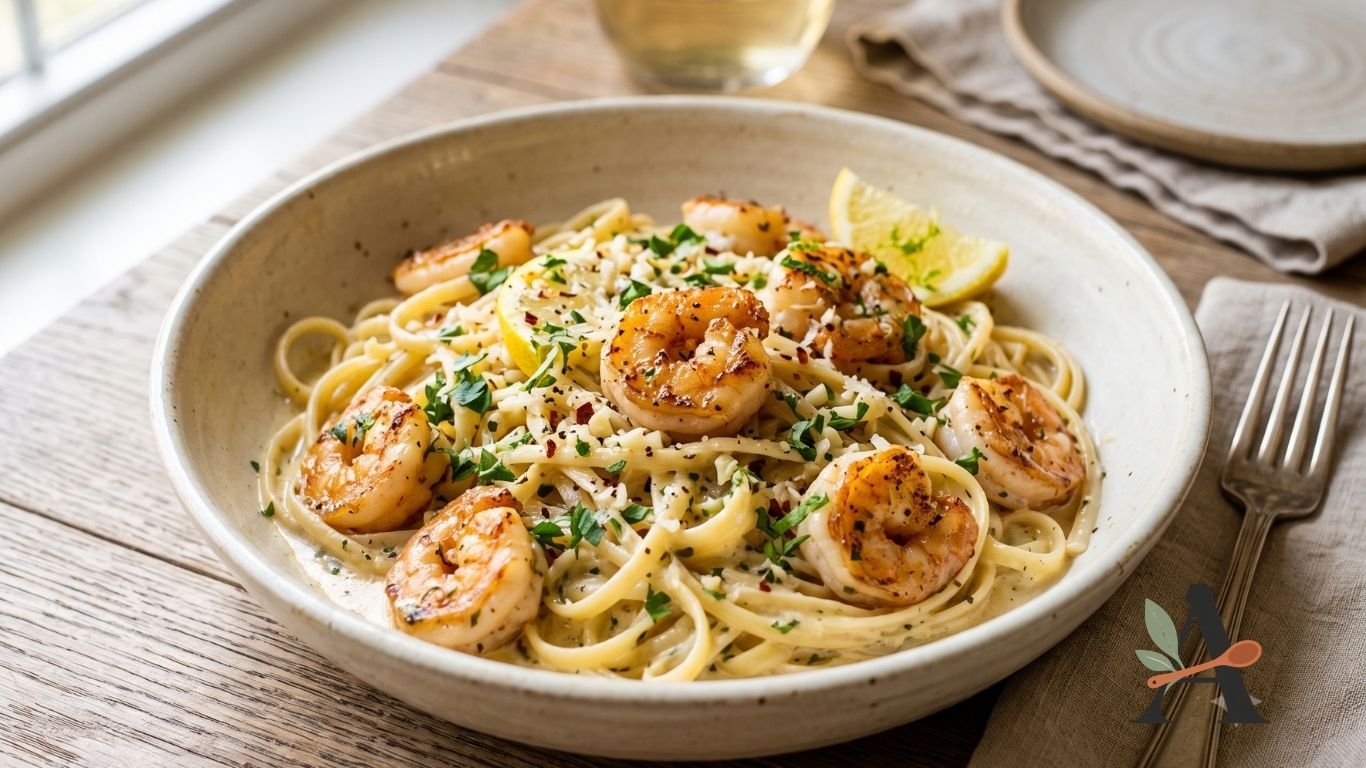
This creamy garlic shrimp pasta combines tender shrimp and linguine with a silky parmesan sauce. Fresh garlic, butter and a small amount of lemon balance the richness and create a restaurant-style dinner in approximately 30 minutes.
The shrimp cook quickly and are removed from the skillet before the sauce is prepared. Adding them back near the end prevents them becoming firm or rubbery.
Although UK readers commonly call them prawns, this article uses “shrimp” because the recipe targets a US audience and its primary search keyword is Creamy Garlic Shrimp Pasta.
Why You’ll Love This Recipe
- Ready in approximately 30 minutes.
- Rich and creamy.
- Filled with garlic and parmesan.
- Suitable for weeknight or date-night meals.
- Uses one pan for the shrimp and sauce.
- Easy to adjust for spice.
- Works with fresh or properly thawed frozen shrimp.
- Pairs with simple vegetables and salad.
Ingredients You’ll Need
- 12 ounces linguine or fettuccine.
- 1 pound large raw shrimp, peeled and deveined.
- ½ teaspoon salt, divided.
- ¼ teaspoon black pepper.
- ½ teaspoon paprika.
- 1 tablespoon olive oil.
- 3 tablespoons unsalted butter, divided.
- 4 garlic cloves, finely minced.
- 1 cup heavy cream.
- ¾ cup finely grated parmesan.
- ½ cup reserved pasta water, as needed.
- 1 tablespoon fresh lemon juice.
- ¼ teaspoon crushed red pepper flakes, optional.
- 2 tablespoons chopped fresh parsley.
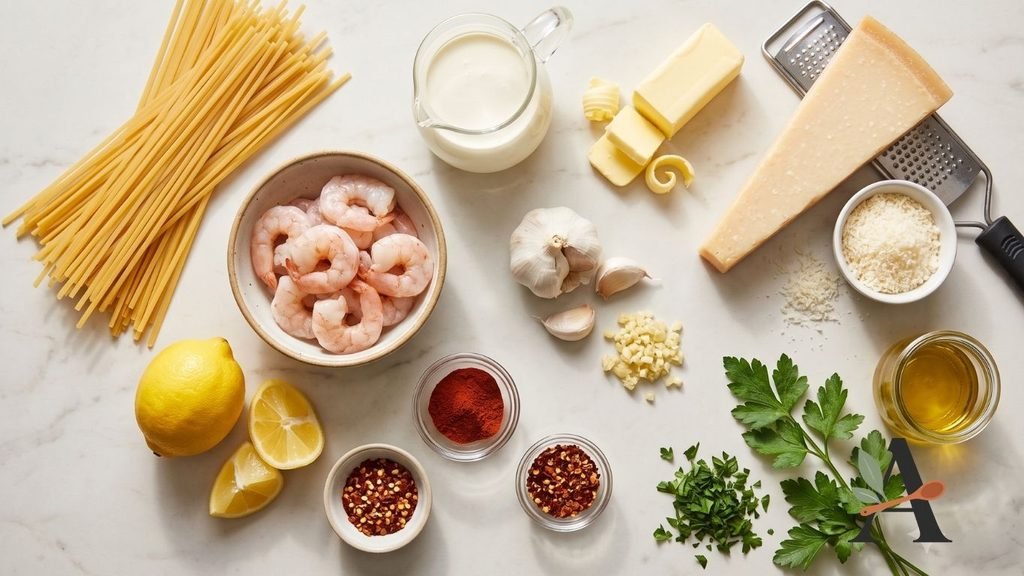
Ingredient Notes
Shrimp: Use large raw shrimp rather than pre-cooked shrimp. Pat them dry to improve browning.
Pasta: Linguine and fettuccine carry creamy sauce well. Spaghetti or penne also work.
Heavy cream: Heavy cream makes the most stable sauce. Lower-fat dairy may separate.
Parmesan: Finely grate parmesan from a block and add it over low heat.
Pasta water: Starchy cooking water loosens the sauce while helping it cling to the pasta.
How to Make Creamy Garlic Shrimp Pasta
Step 1: Cook the Pasta
Bring a large pot of salted water to a boil.
Cook the pasta until al dente.
Reserve one cup of cooking water before draining. Do not rinse the pasta.
Step 2: Season the Shrimp
Pat the shrimp thoroughly dry.
Season with half the salt, black pepper and paprika.
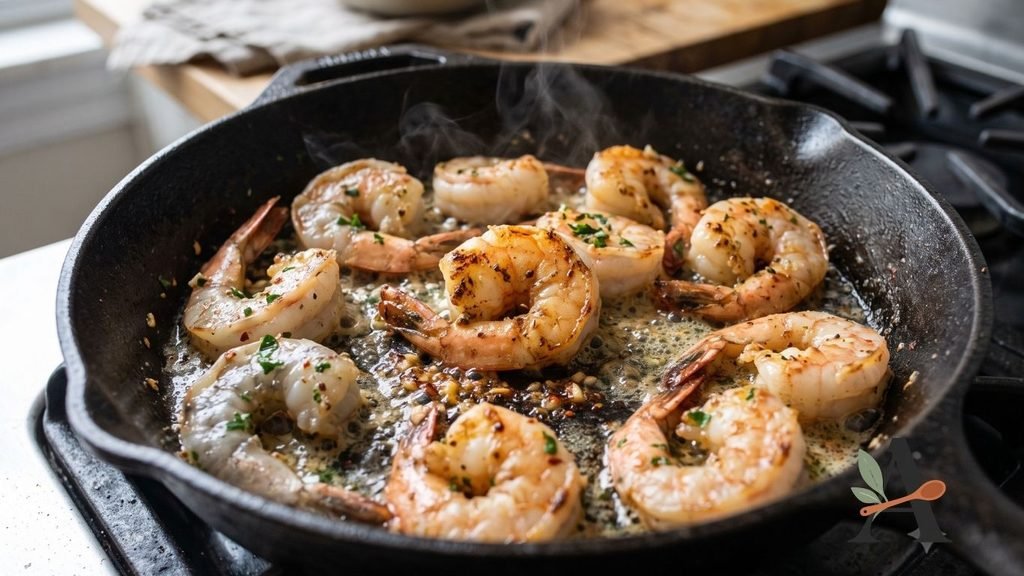
Step 3: Cook the Shrimp
Heat the olive oil and one tablespoon butter in a large skillet over medium-high heat.
Arrange the shrimp in one layer.
Cook for approximately 1–2 minutes per side, until pink and opaque.
Transfer them immediately to a clean plate.
Step 4: Cook the Garlic
Reduce the heat to medium-low.
Add the remaining butter and minced garlic.
Cook for approximately 30 seconds while stirring continuously.
Step 5: Make the Cream Sauce
Pour in the heavy cream.
Add the remaining salt and optional red pepper flakes.
Bring the sauce to a gentle simmer and cook for approximately 2–3 minutes.
Reduce the heat to low and add the parmesan gradually.
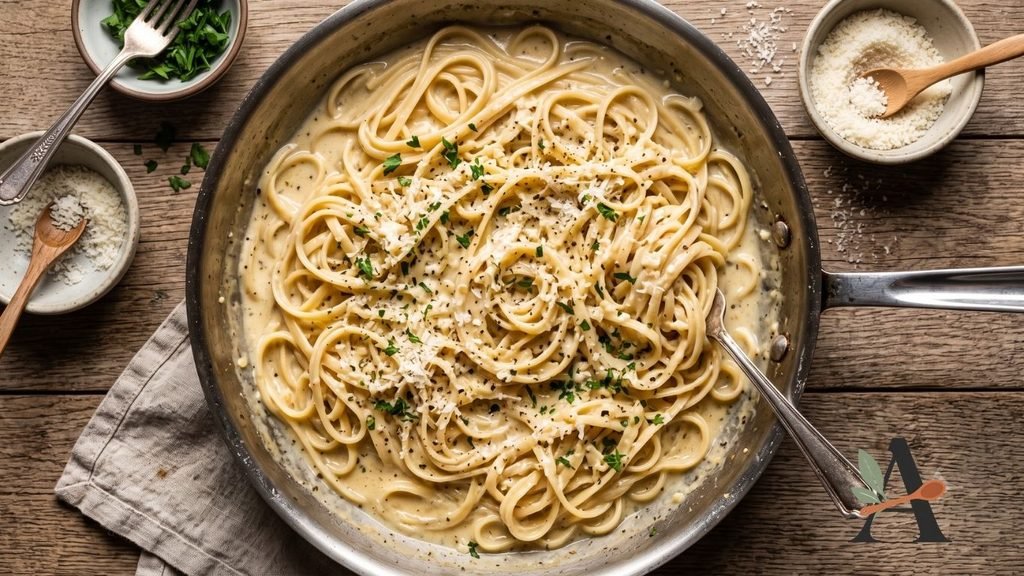
Step 6: Add the Pasta
Add the drained pasta and toss until coated.
Add reserved pasta water a few tablespoons at a time until the sauce reaches the desired consistency.
Step 7: Finish With Shrimp
Return the cooked shrimp to the skillet.
Add the lemon juice and parsley.
Toss gently for approximately one minute, just until the shrimp are warm.
Serve immediately with additional parmesan.
Tips for Tender Shrimp and Smooth Sauce
Dry the Shrimp
Wet shrimp release steam and struggle to brown.
Avoid Overcrowding
Cook the shrimp in two batches if the skillet is small.
Remove Shrimp Promptly
Shrimp cook very quickly. Remove them before preparing the sauce.
Lower the Heat Before Adding Parmesan
Excessive heat can make the sauce grainy or oily.
Reserve Pasta Water
The starchy water adjusts the sauce more effectively than plain water.
Why Did My Shrimp Become Rubbery?
Shrimp become firm when cooked for too long. Cook only until they turn opaque and form a loose “C” shape.
A tightly curled “O” shape can indicate overcooking.
Why Is My Sauce Too Thick?
Cream and parmesan continue thickening as the pasta stands. Add warm reserved pasta water gradually.
Recipe Variations
Creamy Cajun Shrimp Pasta
Replace the paprika with Cajun seasoning. Reduce added salt if the blend contains salt.
Shrimp and Spinach Pasta
Add two cups of baby spinach to the cream sauce and stir until wilted.
Shrimp and Mushroom Pasta
Brown sliced mushrooms before cooking the garlic.
Tomato Shrimp Pasta
Add halved cherry tomatoes with the garlic and cook until softened.
Lighter Shrimp Pasta
Use half-and-half, keep the heat low and expect a thinner sauce.
What to Serve With Shrimp Pasta
- Garlic bread.
- Homemade dinner rolls.
- Green salad.
- Roasted asparagus.
- Easy roasted green beans.
- Garlic parmesan Brussels sprouts.
- Air fryer zucchini fries.
- Steamed broccoli.
Storage and Reheating
Refrigerate leftovers promptly for up to two days.
Reheat gently over low heat with a splash of cream or milk. Avoid boiling or prolonged heating.
Freezing is not recommended because both the shrimp and cream sauce can lose their best texture.
Frequently Asked Questions
Can I use frozen shrimp?
Yes. Thaw them completely and pat them thoroughly dry.
Can I use pre-cooked shrimp?
It is possible, but add them only during the final minute to prevent overcooking.
Can I substitute milk for cream?
Milk creates a much thinner, less stable sauce. Heavy cream is recommended.
Can I make this gluten-free?
Use gluten-free pasta and verify every packaged ingredient.
Is this recipe spicy?
It is mild. Omit the red pepper flakes or increase them according to preference.
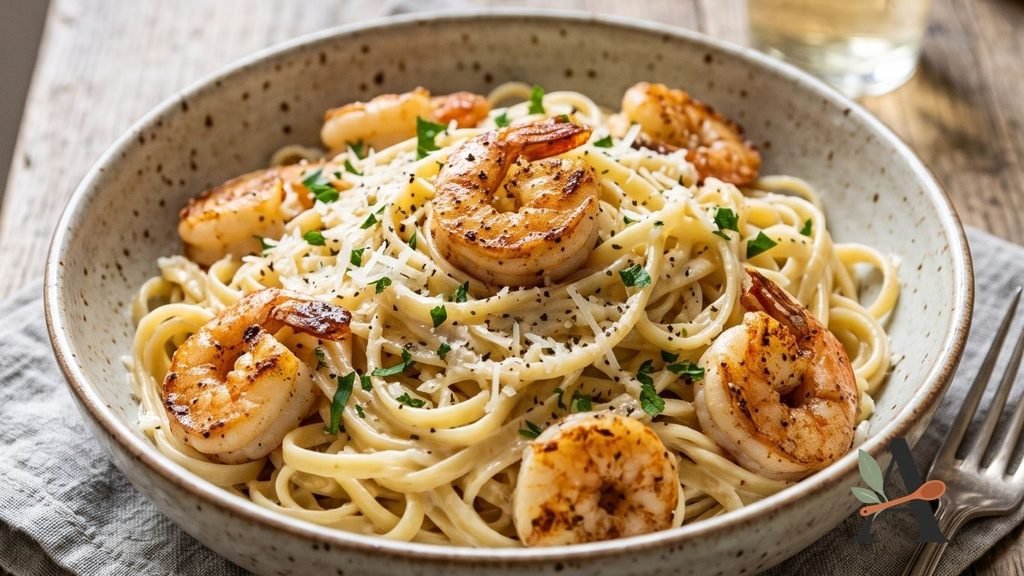
Creamy Garlic Shrimp Pasta Recipe Card
Preparation time: 10 minutes
Cooking time: 20 minutes
Total time: 30 minutes
Servings: 4
Course: Dinner
Cuisine: Italian-American
Method: Stovetop
Instructions
- Cook the pasta until al dente.
- Reserve pasta water and drain.
- Pat and season the shrimp.
- Cook shrimp for 1–2 minutes per side.
- Transfer them to a plate.
- Melt the remaining butter.
- Cook the garlic for 30 seconds.
- Add the cream and simmer gently.
- Lower the heat and add parmesan gradually.
- Toss in the pasta.
- Adjust with pasta water.
- Return the shrimp.
- Add lemon juice and parsley.
- Serve immediately.
Recipe Notes
- Use raw shrimp for the best texture.
- Do not overcook the shrimp.
- Keep the sauce below a strong boil.
- Use freshly grated parmesan.
- Test the complete recipe before publication.